
Let’s take a look at the differences between TLS and mutual TLS (or mTLS).
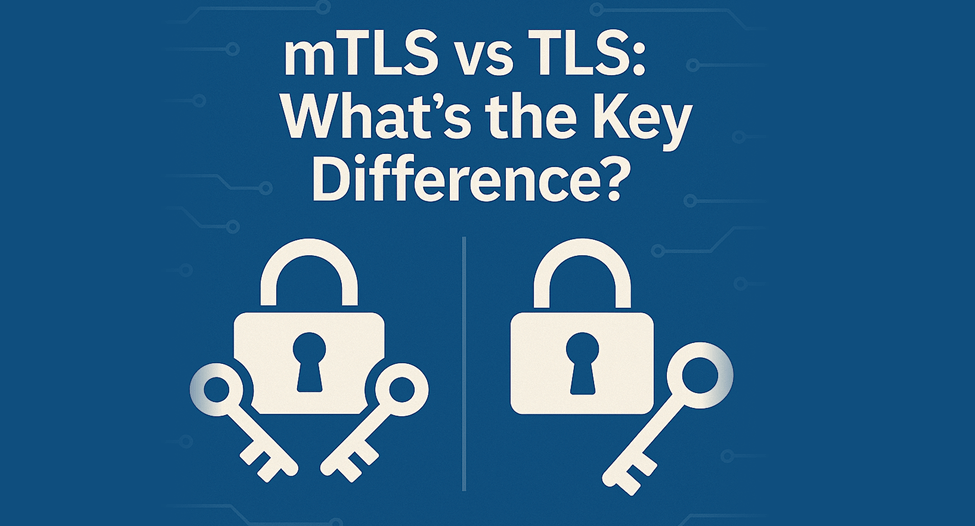
TLS in a Nutshell
TLS (Transport Layer Security) is the backbone of secure communication on the web. When you visit a secure website (the ones starting with https://), your browser checks the server’s certificate to verify its identity. If it is legit, the two sides set up an encrypted channel and exchange data.
The key point here is that only the server is authenticated. The client (like your browser or an API consumer) isn’t required to prove who it is. This is called one-way authentication, which works well for most user-facing applications.
What Makes mTLS Different
mTLS (Mutual TLS) takes things a step further by adding client authentication. Just like the server provides a certificate, the client also has to present its own certificate. Both sides then verify each other before proceeding.
This means the connection only goes forward if:
- The client trusts the server’s certificate
- The server trusts the client’s certificate
- The client is authorized to access the requested resource
So instead of a one-sided ID check, it’s a full two-way exchange of trust.
TLS vs mTLS: Core Differences at a Glance
| Feature | TLS | mTLS |
| Server authentication | Yes | Yes |
| Client authentication | No | Yes |
| Certificates required | Only server | Server + Client |
| Use in public web | Common | Rare |
| Use in internal systems | Yes | Yes |
| Identity validation level | Basic | Strong |
Pros and Cons
TLS Pros:
- Easy to set up
- No certificate management needed for users
- Widely supported across browsers and clients
TLS Cons:
- Only verifies one side of the connection
- Client identity must be validated in another way (tokens, passwords, etc.)
mTLS Pros:
- Strong, built-in identity verification
- Excellent fit for Zero Trust and internal networks
- Eliminates the need for API tokens in many use cases
mTLS Cons:
- Requires issuing a certificate to every trusted client
- More complex setup and infrastructure
- Client certificate rotation and revocation must be managed
When to Use TLS vs. mTLS
Stick with TLS if:
- You’re building a public-facing app or website
- You only need to ensure that the client is talking to the right server
- You use other forms of client auth (OAuth, JWT, API keys)
Go with mTLS if:
- You’re working with internal services that must verify each other
- You need strict access control at the transport layer
- You’re building in a Zero Trust or high-compliance environment
Final Thoughts
TLS and mTLS are both valuable tools for securing communication. TLS is a solid default for the web, but mTLS gives you stronger guarantees in environments where mutual trust matters. If you need high-assurance communication between systems, mTLS is worth the extra setup.